
Introduction
Flexibility is more than being able to touch your toes—it’s about keeping your body mobile, strong, and free from stiffness or pain. Modern lifestyles, long sitting hours, and lack of movement make the body tight, leading to back pain, joint stiffness, and reduced mobility.
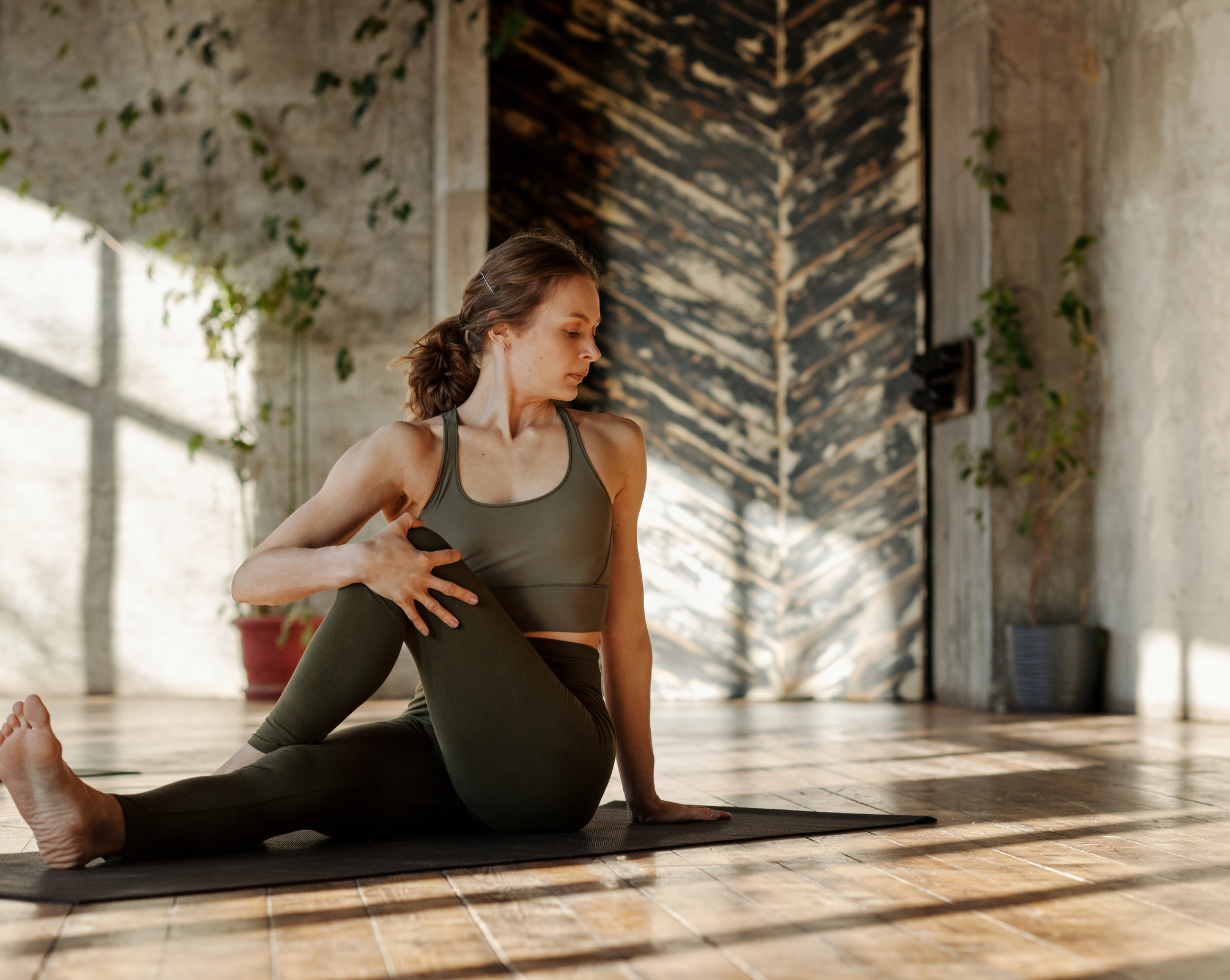
Yoga is one of the most effective ways to increase body flexibility. Unlike quick stretching, yoga combines postures, breathing, and mindfulness to open up muscles and joints gradually, improving strength and balance while keeping the body relaxed.
How Yoga Improves Flexibility
Yoga works by holding poses (asanas) that gently stretch muscles and connective tissues. With regular practice:
Tight muscles lengthen and loosen
Joints become more mobile
Posture and balance improve
Circulation and oxygen flow increase
The body becomes more agile and pain-free
Best Yoga Poses for Flexibility
1. Forward Bend (Uttanasana)
Stand tall, exhale, and fold forward from the hips.
Benefit: Stretches hamstrings, calves, and spine.
2. Downward-Facing Dog (Adho Mukha Svanasana)
From all fours, lift hips upward to form an inverted “V.”
Benefit: Stretches hamstrings, shoulders, and lengthens the spine.
3. Seated Forward Bend (Paschimottanasana)
Sit with legs extended forward, bend from the hips, and reach for toes.
Benefit: Improves flexibility in spine and hamstrings.
4. Butterfly Pose (Baddha Konasana)
Sit with soles of feet together, knees wide apart, and gently flap like butterfly wings.
Benefit: Opens hips and groin area.
5. Cobra Pose (Bhujangasana)
Lie on your stomach, palms under shoulders, and lift your chest upward.
Benefit: Stretches chest, shoulders, and strengthens the spine.
6. Pigeon Pose (Eka Pada Rajakapotasana)
Bring one leg forward, stretch the other back, and fold over the front leg.
Benefit: Deeply opens hips and improves mobility.
7. Bridge Pose (Setu Bandhasana)
Lie on your back, bend knees, and lift hips toward the ceiling.
Benefit: Stretches hip flexors and strengthens the back.
Breathing & Mindfulness for Flexibility
Breathwork (Pranayama) enhances flexibility by relaxing muscles and calming the nervous system:
Deep Belly Breathing: Releases tension from muscles.
Anulom Vilom: Improves circulation and mind-body balance.
Bhramari: Relieves stiffness caused by stress.
Tips for Safe Practice
Warm up before deep stretches.
Never force your body—progress gradually.
Consistency is key: even 15 minutes daily brings results.
Use yoga props like straps and blocks if needed.
Benefits of Increasing Flexibility with Yoga
Reduces risk of injury
Improves posture and body alignment
Relieves back and joint pain
Enhances athletic performance
Promotes relaxation and stress relief
Conclusion
Yoga is not about being flexible from day one—it’s about improving flexibility step by step with patience and practice. By adding yoga into your daily routine, you’ll not only increase mobility but also build strength, balance, and inner calm.
“Yoga teaches us that the body opens up with patience, not force.”
Prev Post